
Project outsourcing for startups typically ranges from $15,000 to $150,000 per project for common builds such as web and mobile MVPs, depending on scope, tech stack, and team location. Treat these figures as directional benchmarks rather than fixed quotes — actual pricing varies widely by vendor and region. A safe budgeting rule: estimate your core costs, then add 15–20% for revisions, delays, and scope changes.
Getting this wrong is expensive. Run out of runway mid-project, and you’re left with half a product and no money to finish it — one of the fastest ways startups die.
Below, you’ll learn what actually drives outsourcing costs, where hidden fees hide, and how to build a budget that protects your runway from day one.
Why Startups Turn to Project Outsourcing
Startups adopt project outsourcing to overcome resource constraints, reduce fixed costs, and accelerate product delivery without the burden of permanent hiring. Outsourcing lets founders focus on strategy while specialized external teams handle development, design, or data work—solving the core problem that early-stage companies face: needing world-class talent immediately, but lacking the capital and organizational structure to build it in-house.
Cost savings vs. in-house hiring
Hiring full-time employees requires salaries, benefits, equipment, office space, and payroll taxes—expenses that strain early-stage budgets. A startup building a mobile app might spend $80,000–$120,000 annually per senior developer in-house, plus recruiting costs and onboarding time. Outsourcing the same project to vetted remote teams converts these fixed costs into variable, project-based expenses paid only for work delivered. Founders pay for output, not idle capacity, making budgets predictable and easier to adjust as priorities shift.
Access to specialized expertise without long-term commitments
Startups rarely need a full-time machine-learning engineer or IoT specialist for 12 months straight. Outsourcing provides access to niche skills on-demand—hiring a data scientist for a three-month AI prototype, then scaling down without severance obligations. This flexibility is critical for early-stage experimentation, where technical requirements evolve faster than hiring cycles can match.
Faster time-to-market for MVP and product launches
An e-commerce startup needing a web application in 90 days cannot wait to recruit, vet, and onboard three developers over six months. Outsourcing teams already trained and staffed can start immediately, compressing timelines from months to weeks. Speed reduces the risk of market shifts and allows founders to validate ideas and customer demand before competitors move in.
Understanding Project Outsourcing Cost Factors
Project outsourcing costs depend on several interconnected variables that directly impact your overall budget. The primary cost drivers are team expertise, project scope, geographic location, and how you structure the engagement—whether full-time, part-time, or project-based. Understanding each factor helps you estimate realistic costs and avoid budget surprises.
Skill level and expertise of the team
Senior developers, designers, and specialists command higher rates than junior staff, but they often deliver faster and require less oversight. A startup building a machine learning recommendation engine, for example, will pay significantly more for an engineer with five years of AI experience than for a generalist programmer—yet this investment typically reduces project duration and revision cycles. Entry-level developers cost less upfront but may need more mentoring and quality reviews, potentially extending timelines and increasing hidden labor costs.
Project complexity and scope
Simple projects—a landing page, a basic mobile app prototype—cost far less than complex systems involving multiple integrations, real-time databases, or custom algorithms. A fintech startup outsourcing a payment processing platform with regulatory compliance requirements will face higher costs than one building a simple inventory tracker, due to architectural complexity and security demands.
Geographic location and labor rates
Outsourcing to different regions offers varying cost structures. Developers in Southeast Asia, Eastern Europe, and South Asia often charge 40–70% less than comparable talent in Western markets, though rates vary significantly within each region depending on seniority, city, and vendor type—a senior engineer in Warsaw or Bangalore may bill closer to Western rates than a junior developer in the same country. Many teams in these regions maintain strong quality standards, but lower rates sometimes correlate with different communication patterns, time zone challenges, or resource availability. Evaluate vendors individually rather than assuming any region guarantees either savings or quality.
Engagement model: full-time vs. part-time vs. project-based
How you structure the engagement changes both the price tag and the payment rhythm. Full-time engagements guarantee availability and deeper project immersion but lock in monthly costs—a startup paying for a full-time outsourced developer commits to that expense whether or not the roadmap fills every hour. Part-time arrangements offer flexibility and lower monthly spend, making them suitable for maintenance work or gradual feature additions, though shared attention can slow delivery. Project-based pricing ties costs to deliverables, making budgeting predictable—ideal when scope is well-defined upfront. As a rough comparison, a build quoted at $30,000 as a fixed-scope project might instead cost $4,000–$6,000 per month on a part-time basis, stretching well past the original timeline if priorities drift. The next section breaks down these budgeting models in detail.
Outsourcing Budgeting Models for Startups
Choosing the right pricing structure is critical because it directly determines cost predictability, flexibility, and your ability to scale. Different engagement models work better for different project types and startup stages. Understanding each model helps you match your budget constraints with your actual development needs, ensuring you pay fairly for what you receive without overspending on unnecessary flexibility or underfunding essential work.
Fixed-price contracts for defined scope
Fixed-price contracts work best when your project requirements are clear and unlikely to change significantly. You agree on a total cost upfront for a specific deliverable, giving you absolute budget certainty. This model suits startups with well-documented feature lists or straightforward applications. However, scope creep becomes expensive—any requirement additions mean renegotiating the contract. A mobile app startup requesting a native iOS application with exactly ten core features might pay a fixed $45,000 for delivery in four months, knowing the total cost won’t increase unless they request new features.
Time-and-materials billing for flexible projects
Time-and-materials billing charges hourly or daily rates, making it ideal when requirements evolve as you learn market feedback. You pay only for hours worked, offering flexibility but less budget predictability. This suits startups building minimum viable products or exploring new technology directions where the final scope isn’t fully defined upfront.
Dedicated team model for ongoing development
A dedicated team (developers assigned exclusively to your project) works well for continuous product development beyond a single project phase. Monthly costs remain stable while you maintain consistent team velocity and deep product knowledge.
Hybrid approaches and retainer agreements
Hybrid models combine fixed-price core features with time-and-materials additions. Retainer agreements guarantee a minimum monthly spend for on-call availability, ideal for startups needing regular maintenance, updates, and ad-hoc improvements to existing applications.
Creating a Realistic Outsourcing Budget
Start by defining your project scope in detail, then research regional and service-specific rates to build an accurate budget with contingency reserves. Before you allocate a single dollar to outsourcing, you need to know exactly what you’re building. Vague project definitions lead to budget overruns and mismatched vendor expectations. Write down the deliverables, timeline, technology stack, and quality standards. This clarity becomes your foundation for everything that follows—without it, any budget estimate is just a guess.
Defining project requirements and scope
Document your project in specific, measurable terms. Instead of “build a mobile app,” define it as “create an iOS app with user authentication, payment processing, and real-time notifications, launching in 16 weeks.” Include wireframes, feature lists, and acceptance criteria. A SaaS startup needing a customer dashboard built in React learned this the hard way: they budgeted $15,000 based on “web app development,” but without specifying integrations with three external APIs and custom reporting features, the actual scope ballooned to $28,000. Detailed requirements upfront saved them from mid-project surprises.
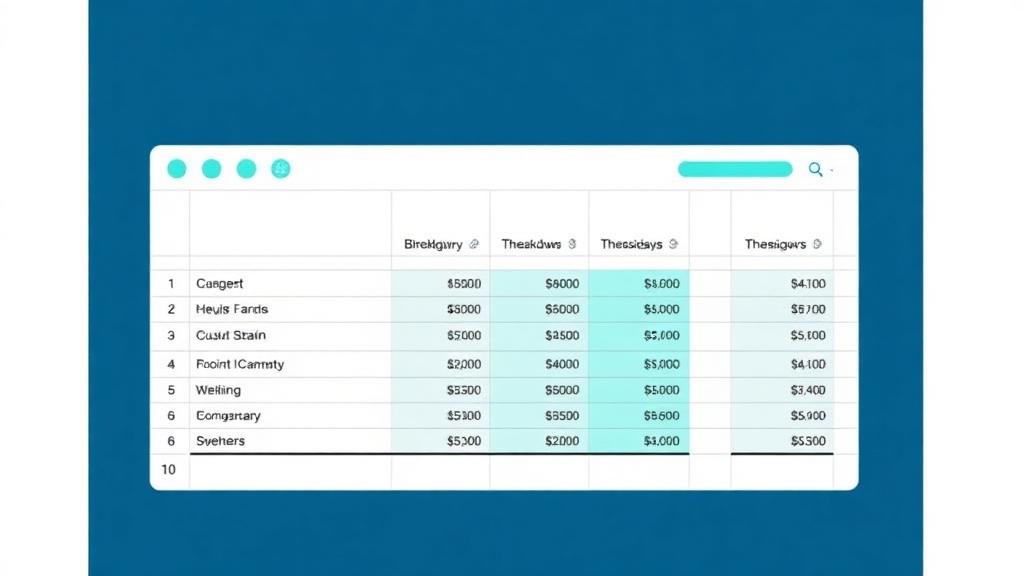
A practical test: hand your requirements document to someone outside your team. If they can list the screens, integrations, and user actions the product must support without asking follow-up questions, your scope is ready to price. If they have questions, vendors will too—and every unanswered question becomes a paid revision later.
Researching market rates by service and region
Market rates vary dramatically by geography and skill level. Senior full-stack engineers in Southeast Asia often cost less than junior developers in North America, yet may deliver equal or superior quality. Research rates across multiple regions and vendor types—freelance platforms, boutique agencies, and dedicated development teams each have different pricing structures. Gather quotes from at least three providers for comparable scope before settling on a budget.
When comparing quotes, normalize for scope: ask each vendor to price the same written requirements and itemize costs by phase—discovery, design, development, QA, and deployment. A $25,000 quote that includes QA and project management can be cheaper in practice than a $20,000 quote that bills those separately. Itemization exposes what each number actually buys.
Building in contingency and buffer costs
Add 15–25% to your base estimate as a contingency buffer. Scope creep, communication delays, and unforeseen technical challenges are normal in outsourced projects. This reserve isn’t waste; it’s insurance against derailing your timeline or quality.
Walk through the math before committing: a startup with a $40,000 base estimate should hold $6,000–$10,000 in reserve. If the project finishes clean, the buffer rolls into the next phase. If a third-party API integration takes longer than expected—a common scenario—the reserve absorbs the overage without forcing an emergency fundraising conversation or a compromised launch.
Balancing quality against budget constraints
The cheapest option rarely delivers the best outcome. Prioritize vendors with proven portfolios and client references over lowest-cost bids. A slightly higher rate often means fewer revisions, faster delivery, and fewer headaches down the line.
Before signing, ask shortlisted vendors for two references from projects similar to yours, and consider a small paid discovery phase or trial sprint. A one-week paid trial costing $2,000–$3,000 can reveal communication problems, velocity gaps, or quality issues that would have cost ten times that amount if discovered mid-project. Think of it as a low-cost audition before a high-stakes commitment.
Cost-Saving Strategies Without Sacrificing Quality
Startups can cut outsourcing costs without lowering standards by phasing work into stages, tapping global talent pools, documenting requirements thoroughly, and building long-term partnerships. The guiding principle is simple: spend only on validated work. When every dollar funds features real users actually need, quality stays high while waste quietly leaves the budget.
Phasing projects and prioritizing MVP features
Split the build into phases and fund only the minimum viable product first. A meal-delivery startup in Austin, for example, trimmed its launch scope to five core features — ordering, payments, and driver tracking — shipped months earlier than planned, and then used real customer feedback to decide which extras were worth paying for. Each later phase gets funded by evidence, not guesswork.
Leveraging nearshore and offshore talent pools
Hourly rates vary widely by region, and vetted offshore or nearshore developers frequently deliver the same quality at a fraction of local prices. Choose based on timezone overlap and communication needs, not price alone — the cheapest team that can’t collaborate with you is no bargain.
Clear documentation and detailed requirements
Vague briefs cause rework, and rework is where budgets quietly bleed out. Write detailed requirements — user flows, acceptance criteria, and edge cases — before a single hour is billed. Every ambiguity resolved on paper costs nothing; the same ambiguity discovered during development can cost days of paid revision. Treat your specification document as a contract with your future self.
Building long-term partnerships
Finally, treat outsourcing as a relationship, not a transaction. Teams that know your product, codebase, and preferences onboard faster and make fewer expensive mistakes on each new engagement. Repeat clients also tend to receive better rates and priority scheduling. A stable partner who understands your goals will often flag scope creep and unnecessary features before you pay for them — protection a rotating cast of strangers will never provide.
Frequently Asked Questions
How much should a startup budget for outsourcing a mobile app development project?
Startup budgets for outsourced app development vary widely depending on complexity, feature count, and where the development team is located. The most reliable way to estimate accurately is to define your minimum viable product (MVP) scope first, since a lean feature set dramatically reduces cost compared to a full-featured build. Get itemized quotes from multiple vendors against that defined scope before committing funds.
Is offshore outsourcing cheaper than hiring local developers?
Yes, offshore outsourcing is generally cheaper than hiring locally because labor rates in many offshore markets are significantly lower. However, the savings only materialize if you prioritize quality assurance and clear communication from the start — time zone gaps and misaligned expectations can erode cost advantages quickly. Vet portfolios, references, and communication practices before signing.
What’s the difference between fixed-price and time-and-materials outsourcing contracts?
A fixed-price contract locks in a set cost for a clearly defined scope, while a time-and-materials contract bills for actual hours and resources used. Fixed-price works best when requirements are stable and well-documented, giving you predictable budgeting. Time-and-materials suits evolving projects where requirements will change, but it demands active budget monitoring to prevent scope creep from inflating costs.
How can startups avoid hidden costs when outsourcing projects?
Startups avoid hidden costs by defining scope precisely and requesting detailed, itemized estimates before work begins. Establish a fixed number of revision rounds in the contract and use milestone-based payments so spending stays tied to delivered, verified work. Regular progress reviews against the original estimate catch budget drift early.
Should startups hire a dedicated team or use project-based outsourcing?
Choose a dedicated team when you have ongoing development needs and expect to scale, and choose project-based outsourcing for one-off builds or MVPs with fixed timelines and budgets. Dedicated teams cost more over time but build product knowledge and continuity. Project-based engagements give you cost certainty and a clean endpoint, which suits early-stage validation.
What hidden costs should startups prepare for when outsourcing?
Beyond the quoted development rate, startups should plan for project management overhead, revision cycles, onboarding time, infrastructure and tooling expenses, and quality assurance. These costs rarely appear in initial quotes but routinely add to the final bill if unaccounted for. Building a contingency buffer into your budget for these categories keeps the engagement from derailing your runway.
Conclusion
The key to sustainable startup growth is matching your outsourcing budget to your actual development needs, not just chasing the lowest cost. Start by mapping your project scope, timeline, and required expertise, then compare quotes from vetted providers in your target region. Ready to move forward? Use the budgeting framework in this guide — define your scope precisely, gather itemized quotes against it, and hold a contingency reserve — to evaluate vendors and choose the right partner for your startup.
Key Takeaways
- Budget roughly $15,000–$150,000 per outsourced project for common builds like web and mobile MVPs, depending on scope, tech stack, and team location — treat this as a benchmark, not a quote.
- Add a 15–20% buffer on top of your core cost estimate to cover revisions, delays, and scope changes.
- Outsource instead of hiring in-house to convert fixed costs like salaries and benefits into variable, pay-for-output expenses.
- Hiring teams in Southeast Asia, Eastern Europe, or South Asia can cut labor costs 40–70% versus Western markets while maintaining quality, though rates vary significantly within each region.